


Computer Vision
Harness the power of computer vision with MAGO AI; transform your visual data into clarity and precision for tomorrow's success.
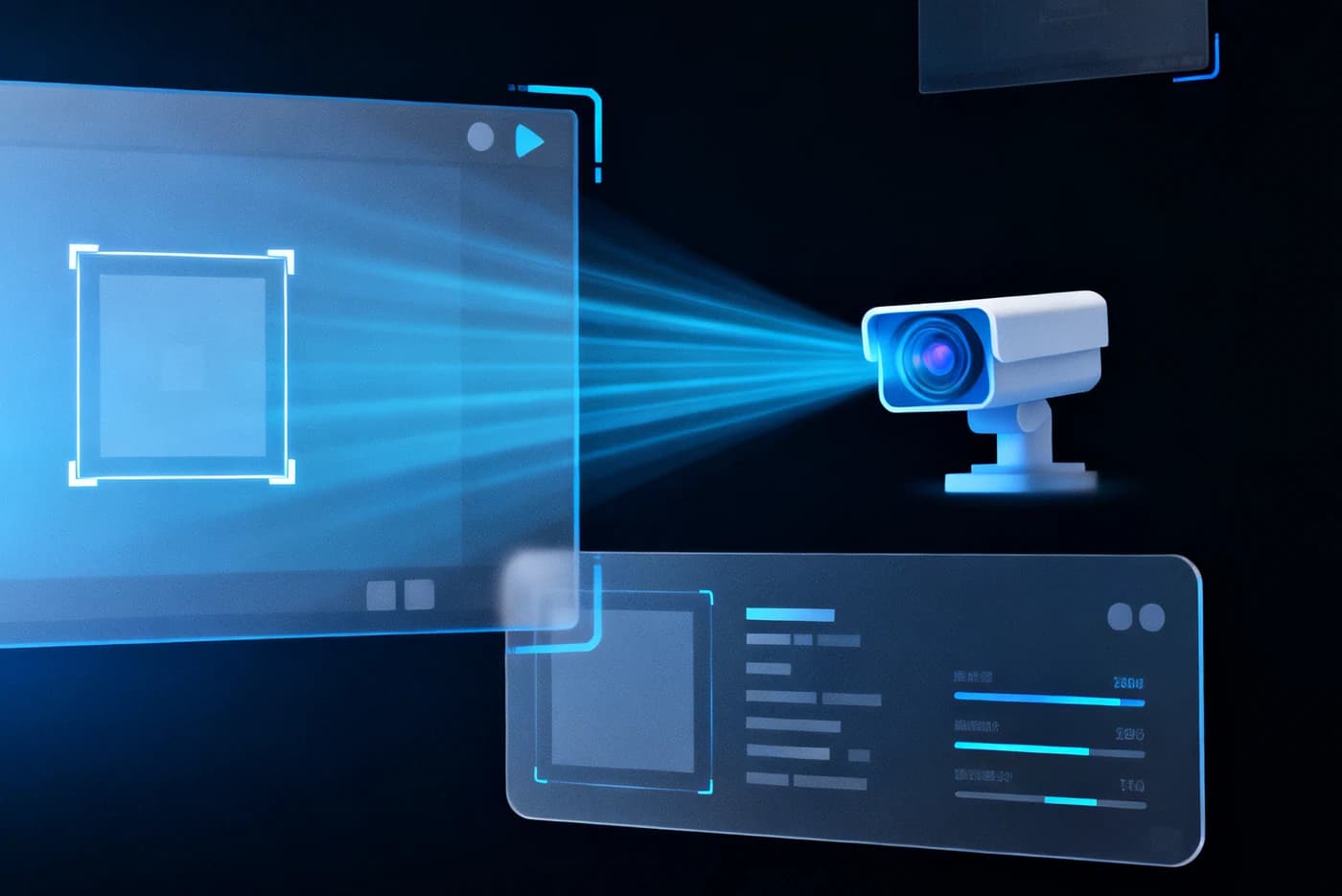
Computer vision is software that reads images and video, and turns what it sees into data your systems can use. It automates tasks that would otherwise need a person to look, such as typing up scanned forms or counting people walking past a shop. MAGO AI builds these systems for documents, CCTV footage and defect detection.
What it is, in plain words
Computer vision is a branch of AI that lets machines interpret and analyse visual data. A camera or scanner captures an image. The software then finds what matters in it: the text on a page, the people in a video frame, or a fault on a product. The result is information you can search, count and act on, rather than a picture someone has to check by eye.
Common uses include facial recognition, defect detection, image recognition and real-time video analysis.
How it works
- You show us the images, documents or video you work with today, and the information you need from them.
- We choose the right approach, from text extraction (OCR) to vision language models or video analytics, and adapt the model to your documents or scenes.
- We test the system on real samples of your material.
- Results go straight into your database, ERP or case management system. Uncertain results are flagged for a person to review.
- The model keeps improving as it learns your industry's document formats and special symbols.
What you get
- A vision system built for your own documents or camera footage.
- Structured data, such as names, numbers, dates and amounts, instead of a pile of images or PDFs.
- A confidence score for each extracted field, so you know which results to use and which to check.
- Integration with the systems you already use, such as a database, ERP or case management system.
- Access control, encryption and log monitoring to protect sensitive documents.
Example uses
- Reading scanned invoices, contracts and records to replace manual data entry.
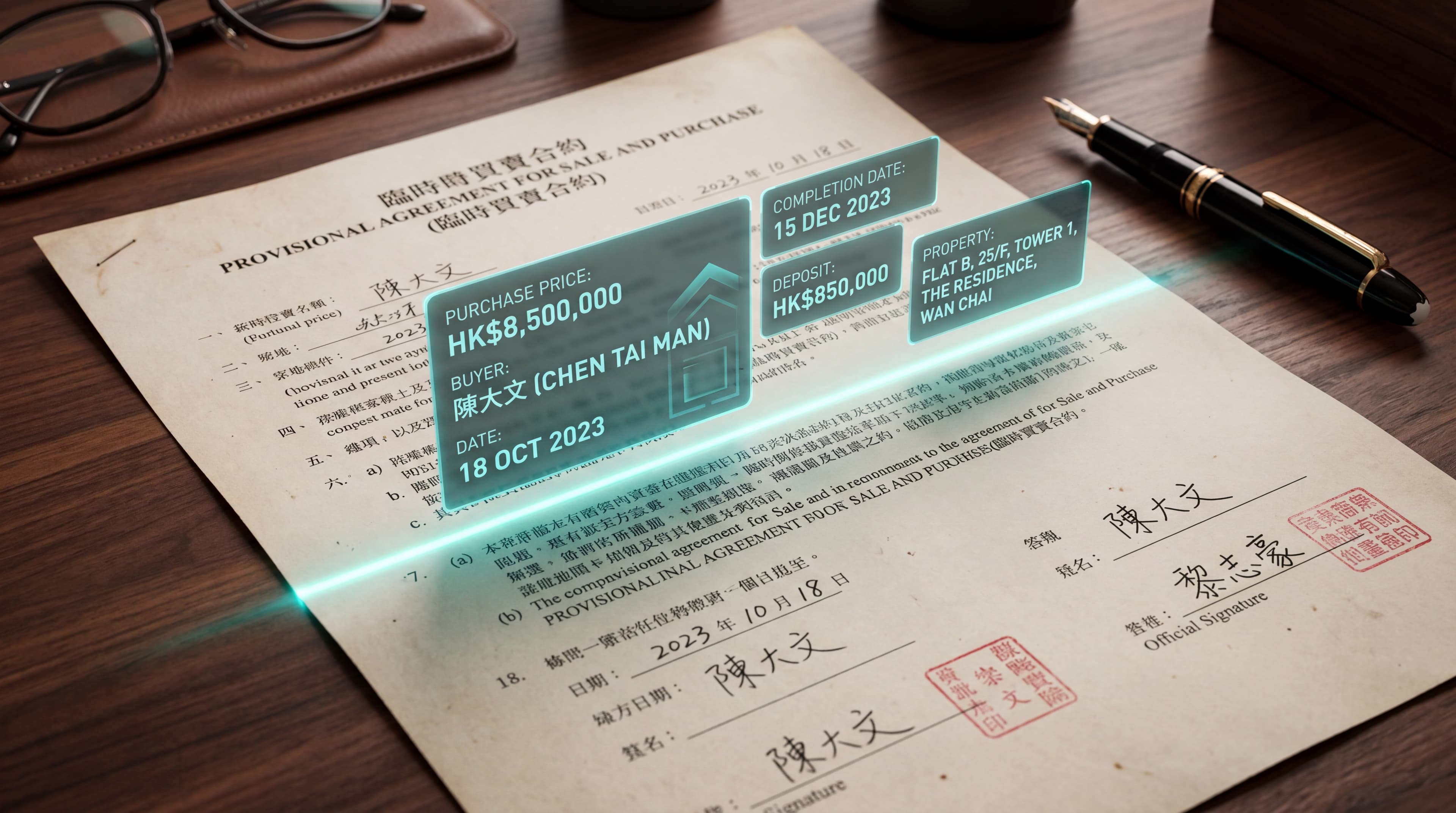
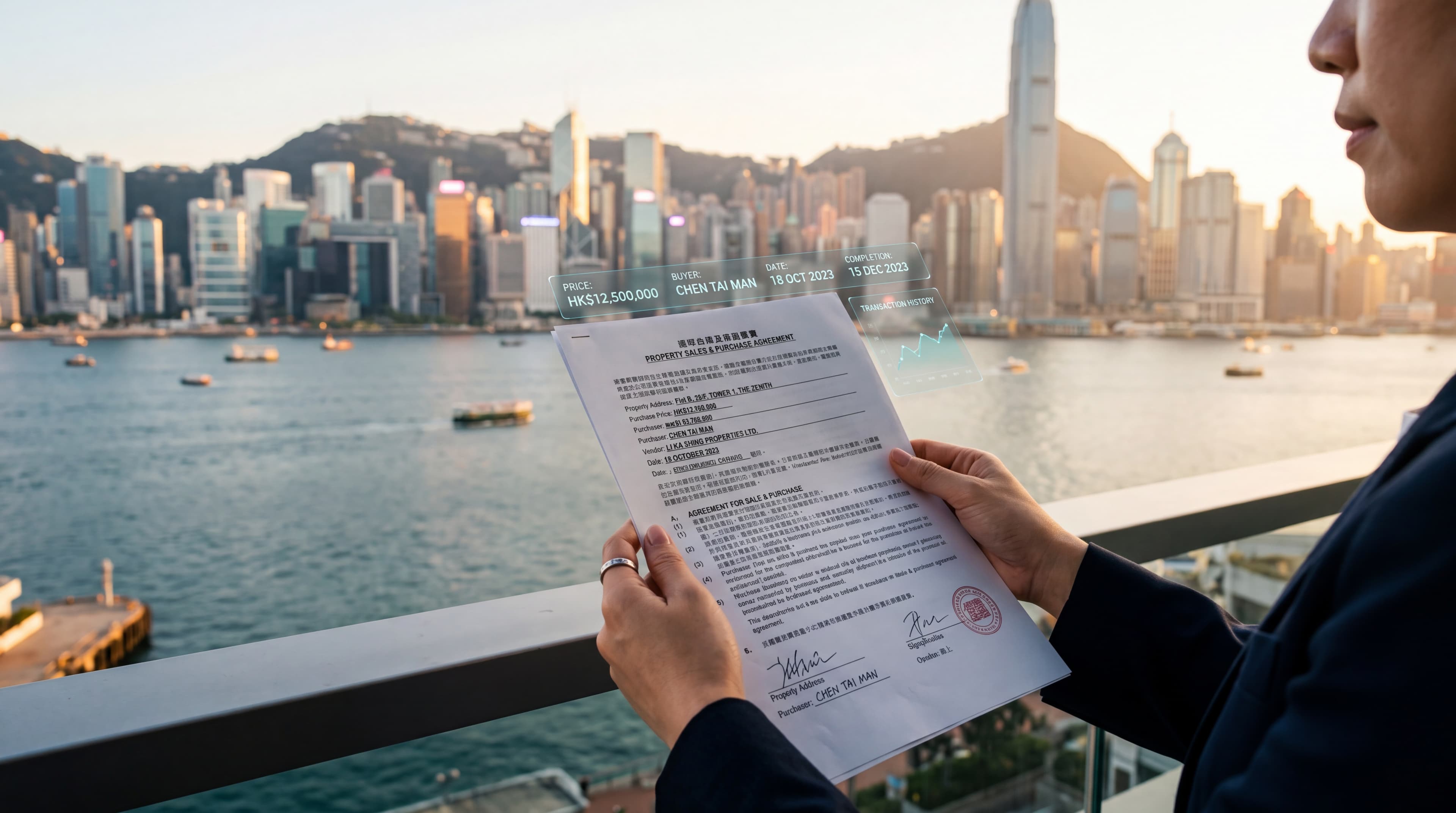
- Pulling names, identity numbers, prices and dates out of hand-filled property agreements, such as Hong Kong's Provisional Agreement for Sale and Purchase (PASP).
- Digitising documents in finance, healthcare, logistics and legal work, such as medical reports and shipping documents.
- Analysing CCTV footage in shopping malls to understand foot traffic and place advertising better.
- Detecting visible defects on products during inspection.
OCR text extraction
OCR (optical character recognition) is a computer vision technology that pulls text out of images, scanned documents and handwritten notes, and turns it into editable, searchable digital text. Businesses use OCR to automate data entry and speed up document processing. It reduces the errors that come from retyping by hand, and digitising invoices, contracts and records makes compliance easier. OCR is widely used in finance, healthcare, logistics and legal work.
Vision language models
Traditional OCR stops at recognising characters. Vision language models go further. They read a whole page the way a person does, understanding layout, handwriting, stamps and mixed Chinese-English text together.
We built this into a document pipeline for a law firm handling property transactions, where agreements arrive as scanned forms filled in by hand. The model reads each page, picks out the values that matter, such as party names, identity numbers, prices and key dates, and returns them as structured data with a confidence score for each field. Only low-confidence fields go to a person for review. Everything else flows straight into the case management system, replacing hours of manual re-keying and cross-checking.
Example: CCTV in shopping malls
Combining computer vision with CCTV cameras in a shopping mall shows how people move through the space. Video analytics can track movement flow, find high-traffic zones and analyse customer attributes such as age and gender.
Malls and retailers can then place digital signage and promotional displays where the most people will see them, and use real-time data rather than guesswork to improve ad effectiveness and customer targeting.
Can it read Chinese and handwriting?
Yes. Vision language models read mixed Chinese-English text, handwriting and stamps together, as in the property agreement example above. Traditional OCR tools often struggle with this kind of document.
What happens when the system is not sure?
Each extracted field comes with a confidence score. Low-confidence fields go to a person for review, so your team checks only the doubtful parts instead of every page.
Can it work with our existing systems?
Yes. Extracted data can go straight into your database, ERP or case management system, so your staff do not need to retype it.
How is my data protected?
Our document systems use access control, encryption and log monitoring, so files are not open to unauthorised people while they are processed. This matters most for sensitive finance, healthcare and legal documents.
If your team still spends time retyping documents or watching video by hand, contact MAGO AI. Tell us about the documents or footage you work with, and we will talk through what computer vision can do for you.
Other services
Related articles
Ready to reimagineyour core business?
Contact us for AI consulting and solutions. We're here to help with whatever your business needs.
Contact Our Team
Please share a few basics so we can get back to you faster and more accurately.